🧠 Understanding Risks for Children
Radon is a silent threat—an invisible, odorless gas that ranks as the leading cause of lung cancer in nonsmokers and second overall after smoking. It seeps into homes and buildings through cracks in foundations, gaps in flooring, and openings like sump pits or basement walls. Once inside, radon becomes trapped in the air we breathe.
⚠️ Why It’s radon Dangerous
When inhaled, radon breaks down into radioactive alpha particles. These particles can damage the delicate DNA in the lung’s lining, ultimately leading to lung cancer. While everyone is at risk, children face an even greater danger because:
- Their lungs are still developing
- They breathe more rapidly than adults
- Their smaller bodies absorb pollutants more easily
Early-life exposure increases cumulative damage over time, raising both the chance of developing lung cancer and the possibility of an earlier onset.
🏫 High-Risk Environments: Child Care Facilities
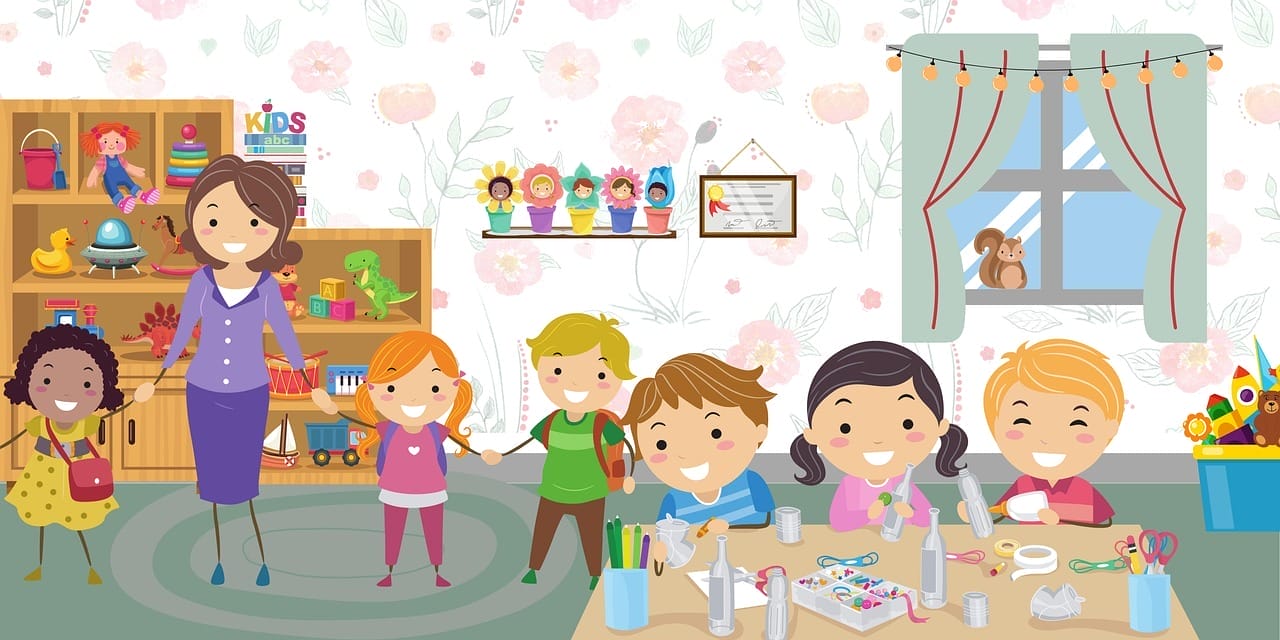
Children often spend 30 to 50 hours per week in daycares and preschools—alongside teachers and caregivers who also face prolonged exposure. If these facilities have elevated radon levels, the risk extends to all who spend time there. This includes home-based daycares, where both children and household members are affected.
Contact us to schedule your child-care facility or home-based business to be tested for radon.
